
About
Who We Are
About Pima
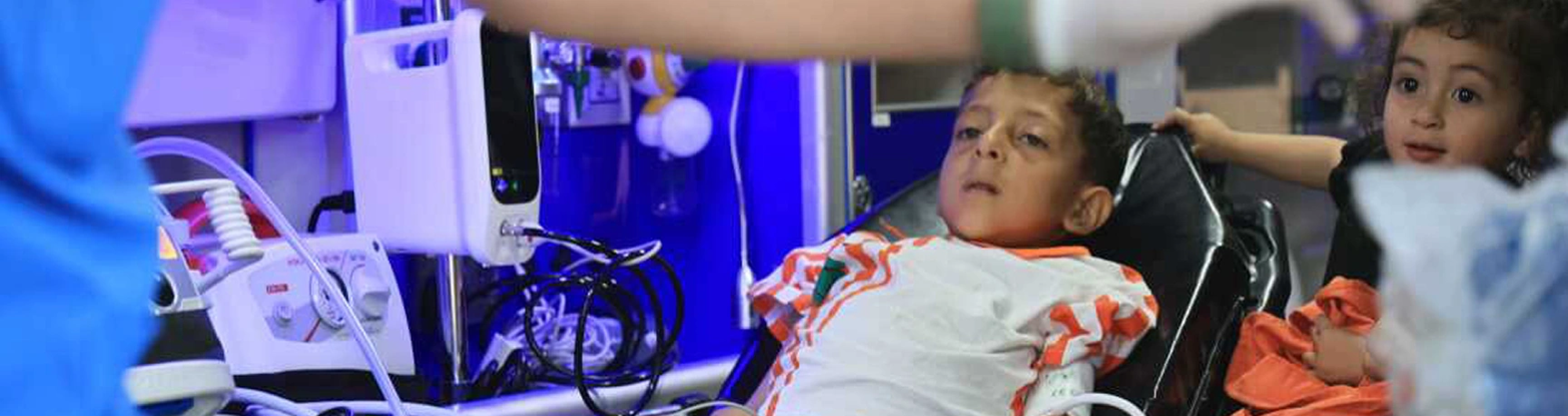
Palestine International Medical Aid (PIMA) is an independent non-political UK registered charity founded in November 2006 by 4 NHS Doctors. PIMA aims to support Palestinian refugees in Palestine and Lebanon, providing a lifeline to alleviate the suffering of those affected by conflict.

Our Mission
Our sole mission is to provide Palestinian refugees with access to health care. Palestinians face huge barriers to access severely underfunded healthcare systems, leading to unnecessary disabilities, long-term suffering and loss of life.

Our Vision
PIMA work to provide immediate medical aid through the provision of essential medicines and clinical supplies in emergency situations and at times of conflict. Whilst providing support in emergency situations is crucial, it is equally important to ensure we build medical projects which support long term development and sustainability within the local area. As such, PIMA works with local specialists on the ground to identify medical projects of need to the local community, whilst also providing an extensive programme of training and continuous education to the local health professionals

Our Values
Our core values—empowerment, sustainability, innovation, professionalism, and transparency—shape our work. They guide how we engage with communities, build long-term solutions, and deliver impact with integrity and creativity.

Strategies
At PIMA we adopt a comprehensive strategy which takes full care of our donors, employees, volunteers, the community, and the children we work with. We are committed to maintaining transparent, reliable, and effective policies as well as practices that govern our approaches and relationships with all our stakeholders.

Objectives
Provide medical care for orphans, disabled and vulnerable patients in Gaza Strip and the refugee camps in Lebanon. Provide emergency aid in times of conflict. Support medical student fees and training & development programmes to sustain healthcare in Palestine. Support long term healthcare, including working with local partners to identify the needs of the people and hospitals.